Why Your Jeep Needs a Dead Pedal
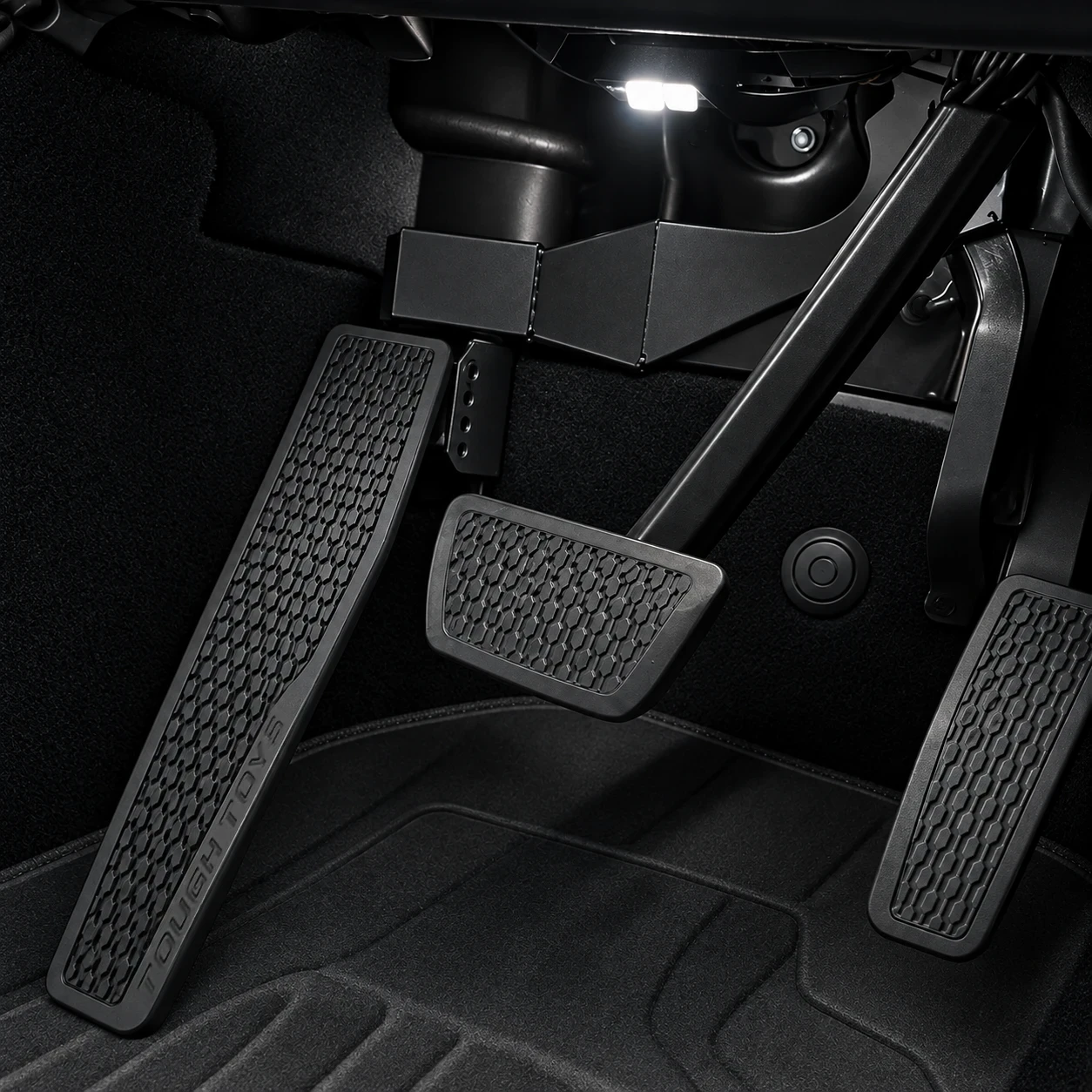
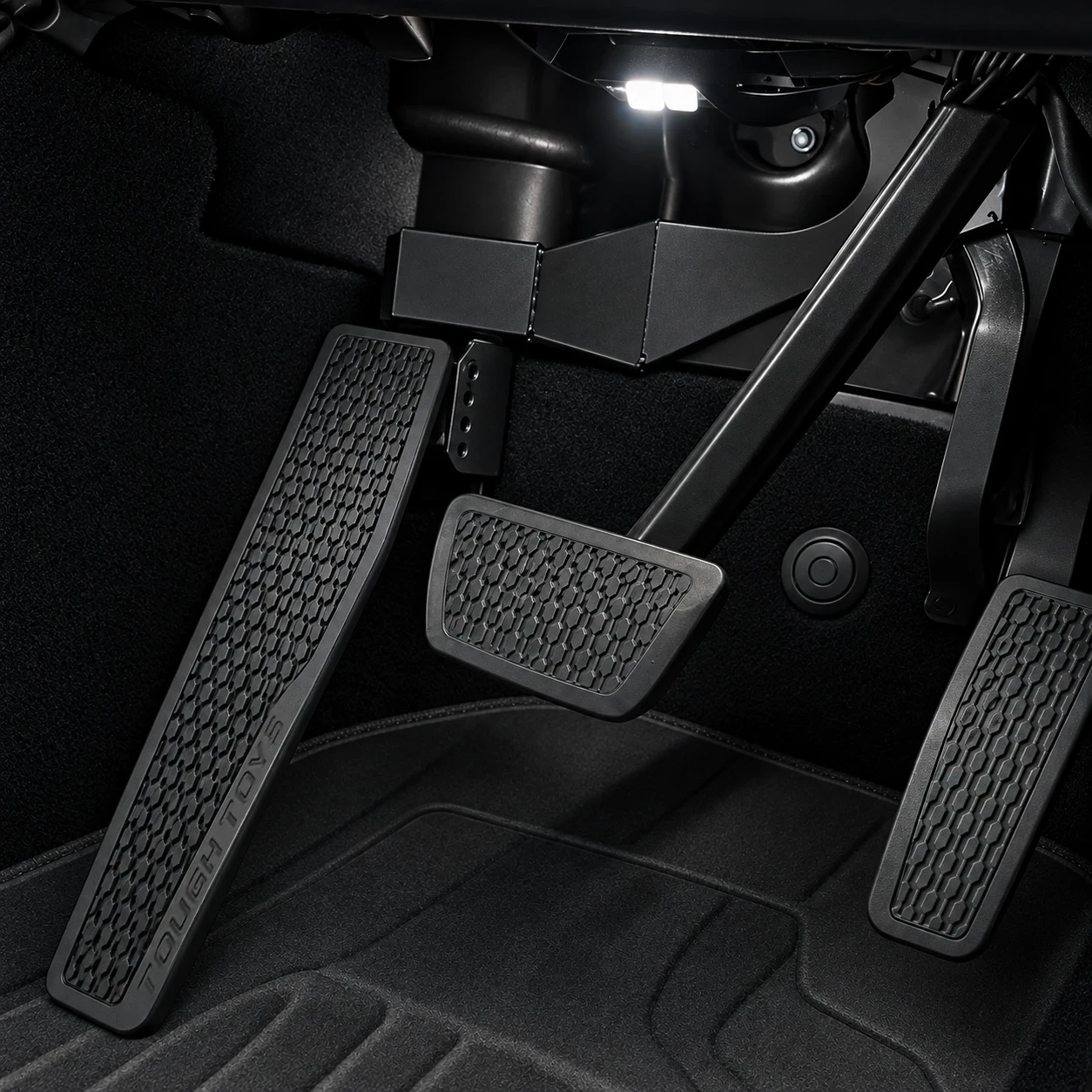
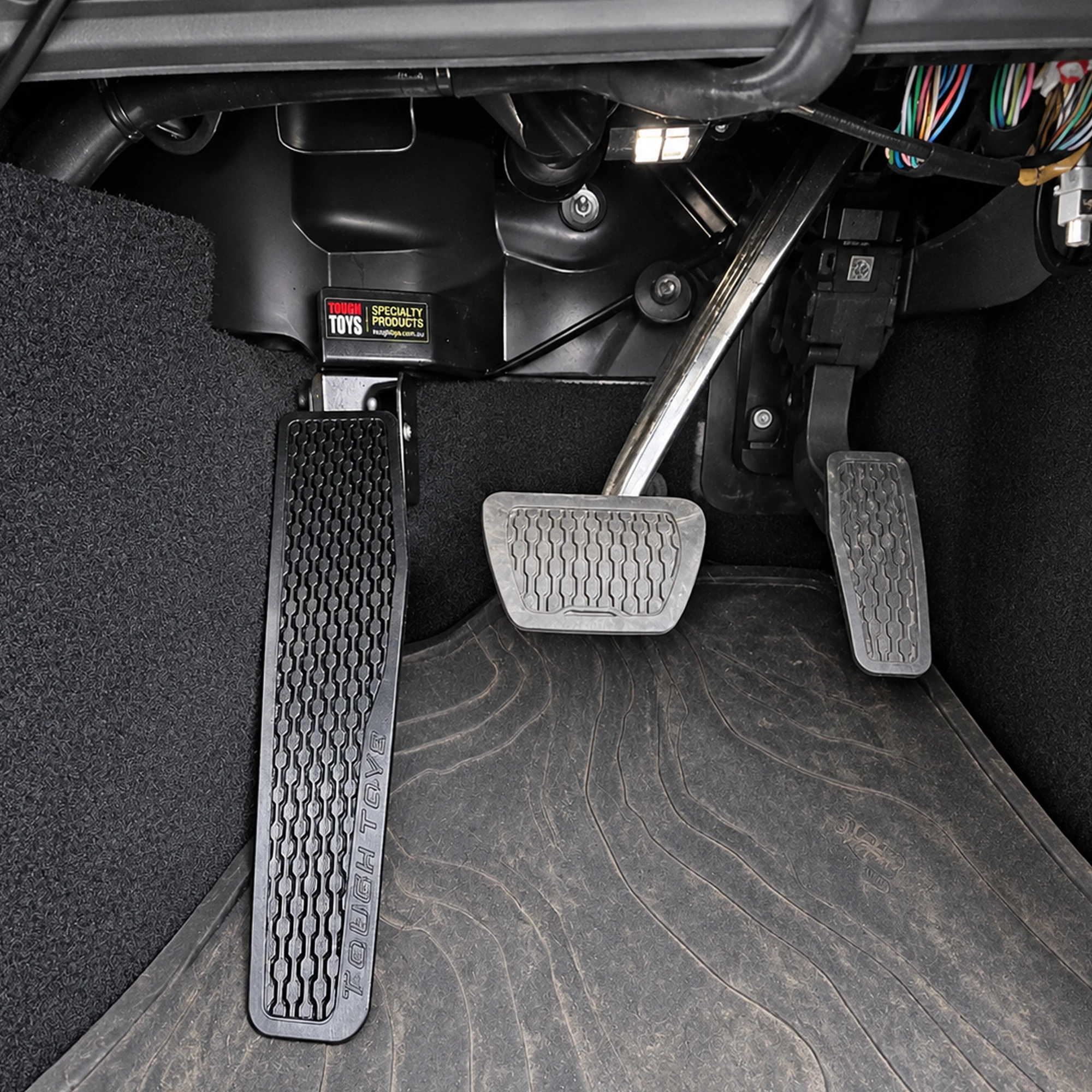
A dead pedal, sometimes called a footrest, is a fixed platform positioned to the left of the accelerator and brake pedals. It doesn't operate anything. Its purpose is to provide somewhere for the driver's left foot to rest in an automatic vehicle, providing a spot for the natural foot position normally provided by the clutch pedal in a manual vehicle.
You'll notice a factory installed dead pedal in all sorts of vehicles, from everyday passenger cars and SUVs to performance vehicles and larger 4WDs. They're a relatively simple feature, but they make a difference to driving comfort. Rather than leaving your left foot flat on the floor or holding your leg in an awkward position, a dedicated footrest provides a natural, supported position for your foot.
It's one of those small interior features that's easy to overlook until you drive a vehicle that doesn't have one.
Why Doesn't the Jeep Wrangler Have a Dead Pedal?
Considering the Wrangler's reputation as a capable off-road vehicle, it's a little surprising that Jeep doesn't provide a conventional raised footrest for the driver.
It's an issue that has been raised by Jeep owners for years. Even Australian motoring reviews have highlighted the lack of a driver's footrest as one of the Wrangler's interior shortcomings, particularly when it comes to long-distance comfort.
Jeep hasn't published a specific explanation for this design decision, so it's difficult to say exactly why it was omitted. The Wrangler does have a relatively narrow driver's footwell, and its interior packaging has to accommodate the steering column, pedals, transmission and other drivetrain components. Whatever the original design considerations, the result is that drivers are left without the dedicated resting position found in many other vehicles.
There are aftermarket dead pedal options available from American manufacturers, but there's an important detail for Australian Jeep owners to be aware of. Most of these products are designed specifically for left-hand-drive vehicles. The driver's footwell, pedal layout and mounting positions are different in a right-hand-drive Jeep, so an LHD dead pedal won't simply fit a RHD model. Finding a properly designed solution for Australian Jeep owners has been a much bigger challenge.
The Benefits of Installing a Dead Pedal
More Comfortable Long-Distance Driving
One of the biggest benefits of installing a dead pedal is improved comfort on longer drives. Without somewhere to rest your left foot, your leg can end up sitting in an awkward position, particularly when your seat is adjusted further back. Having a dedicated footrest gives your foot a natural resting position and helps reduce the strain and fatigue that can build up during long highway drives and touring trips.
Better Support When Off-Roading
This is where a dead pedal really comes into its own for 4WD owners. When traversing steep side slopes, climbing over rocks or negotiating uneven terrain, your vehicle can lean and move around considerably. Without somewhere to brace your left foot, it can be difficult to keep yourself planted in the driver's seat.
A solid footrest gives you something to push against, helping you stabilise your body when the vehicle is leaning, bouncing or working its
way through difficult terrain. Instead of relying entirely on your seat and steering wheel to keep yourself positioned, you have another
point of support.
A More Natural Driving Position
Having somewhere to rest your left foot also makes your overall driving position feel more natural. Rather than leaving your foot flat on the floor or trying to find a comfortable position against the side of the footwell, you have a dedicated surface at a height and angle that suits your leg.
It's a relatively small addition to the interior, but one we reckon you'll appreciate every time you get behind the wheel.
Designed for automatic transmission RHD Jeep JL Wrangler and JT Gladiator models from 2019 onwards, the Tough Toys Dead Pedal is available now.